
An empty lot looks like simple flat ground, a for-sale sign, and a vision for the building that could go there. But buying land for commercial construction is where a lot of promising projects quietly go sideways, because what you can’t see matters far more than what you can: zoning, soil, wetlands, utilities. Any one of them can stop a cold.
So here are the real steps to buying a vacant lot for commercial construction, in the exact order a seasoned developer actually takes them. Do them right, and you avoid the expensive surprises that surface after closing.
Start With Zoning and Title
Before you fall in love with a parcel, confirm you can legally build what you’re picturing. This is the most important preliminary move, and for more deals than any other, NOT making this move has caused them to die in infancy.
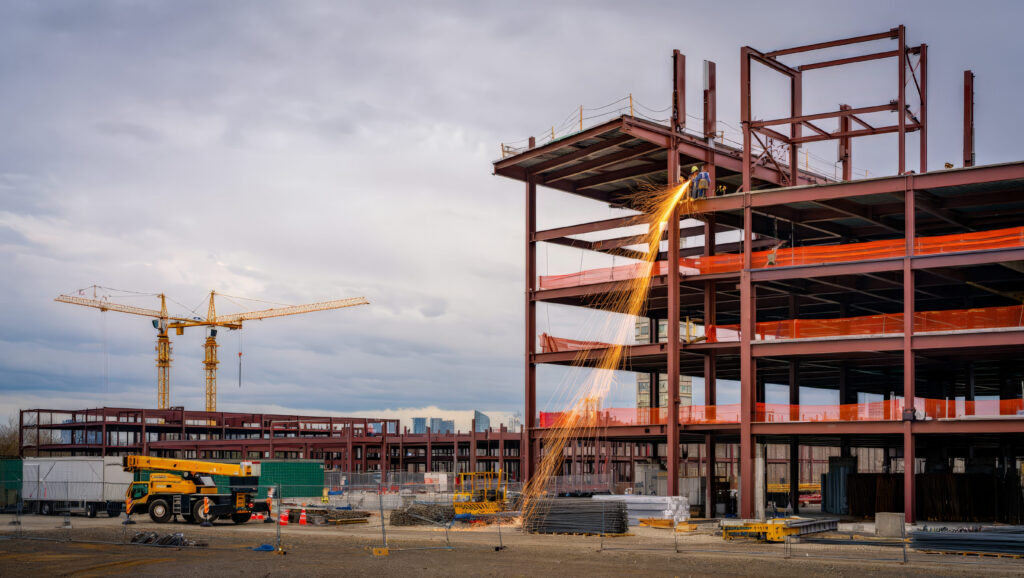
Commercial Construction in NJ
A zoning ordinance determines how a lot is zoned by means of a host of alternative uses that the lot may or may not be put to. When a parcel is zoned improperly, the only way to accomplish it is by requesting a variance or a rezoning, which can be a lengthy process and may not even succeed. Look for the allowed uses, and be sure to examine overlay districts as well:
- Confirm the base zoning allows your specific commercial use by right.
- Identify setbacks, heights, and parking criteria that impact the site.
- Obtain a clear title (liens, easements, or restrictions should not affect construction).
Get zoning and title confirmed first, and everything after it stands on solid ground.
Investigate the Land Itself
A lot can be perfectly zoned for commercial construction and still be a nightmare to build on. The ground beneath the surface decides whether your project is straightforward or a costly battle.
Environmental and Wetlands Checks
This is where due diligence earns its keep. A Phase I Environmental Site Assessment reviews the parcel’s history and records for contamination risk, and if it raises concerns, a Phase II adds actual soil and water testing. The EPA recognizes this assessment process for identifying environmental liability before you own it. Wetlands matter just as much, since the Army Corps of Engineers federally regulates them and can restrict building or require permits. Flood zones deserve the same scrutiny, which is what FEMA flood maps are for.
Survey and Soil Testing
Next, learn the physical realities. A professional boundary and topographic survey maps the exact property lines, slopes, and elevation, so there are no disputes and no layout surprises. Soil testing then tells you whether the ground can actually support your foundation, or whether it needs expensive engineering. Better to know now than after you’ve broken ground.
Confirm Access and Utilities
A buildable lot still needs to connect to the world. Any commercial construction project depends on utilities and access being available and adequate, and extending them can be a major hidden cost.
Confirm that water, sewer, electric, and gas either reach the lot or can be brought to it, and get real estimates for any extensions. Verify legal road access, since a landlocked parcel is a serious problem. For commercial site work, knowing the true cost of site preparation and utility connection before you buy is what protects your budget.
Plan the Site and Close
With diligence done, you can move toward purchase with confidence. This is also where the numbers finally come together into a real plan.
Estimate the full cost of preparing the lot for commercial construction, including clearing, grading, and drainage, then fold that into your offer. Work with the right professionals throughout, since a lawyer, a surveyor, and an experienced site contractor each protect a different part of the deal. Then negotiate, finalize financing, and close knowing exactly what you’re buying.
Buying a vacant lot for commercial construction comes down to confirming zoning and title, investigating the land and environment, verifying utilities and access, and planning the site before you close. Skip a step, and you’re gambling with a large investment. Do them all, and you build with real confidence.
Ready to develop your commercial project the right way? Contact DeGeorge Development for expert site work and a free consultation.
Frequently Asked Questions
What is the first step in buying land for commercial construction?
Confirming zoning. Before anything else, you need to verify that the lot is legally zoned for the commercial use you have in mind, whether that’s retail, office, or industrial. A parcel zoned for the wrong purpose forces you into a variance or full rezoning process that is genuinely lengthy and never guaranteed to actually succeed. Right alongside that, confirm a clean title with no liens or easements that could limit what you build. Getting these two things right first protects every dollar and every step that comes after.
Do I really need an environmental assessment?
For most commercial land, yes, and it’s genuinely worth it. A Phase I Environmental Site Assessment reviews the property’s history and records to flag contamination risk before you take ownership, and the EPA recognizes this process for exactly that reason. If the Phase I raises concerns, a Phase II adds soil and water testing to confirm. Skipping this step can leave you legally responsible for expensive cleanup you didn’t cause, which is easily one of the most costly surprises in all of commercial land development.
What about wetlands and flood zones?
These can both have grave implications for what you really can construct. Early delineation is important because the Army Corps of Engineers federally regulates wetlands, and disturbance or alteration of wetlands will generally incur a permit and possibly mitigation costs. Similarly, flood zones play an important role, and FEMA flood maps indicate if a parcel is located within a floodplain. Once you discover either one early on, you can tweak your site plan and your budget before closing; otherwise, once you close, there isn’t as much to do, and it isn’t as affordable.
Why do I need utility and soil checks before buying?
Soil tests indicate whether the lot can really be built and how much it will cost, since they determine whether your foundation is suitable for the ground and whether additional engineering will be needed, which will increase the cost. A utility check is performed to determine if water, sewer, electric, and gas can be brought to the site or if they need to be extended, which can be a high cost. Checking both before you purchase makes it nearly impossible for your budget to be tainted by anything terrible. If you are interested in your project, please get in touch with Us for a Free Consultation.


