
Commercial construction includes numerous stages to ensure construction happens easily. This blog post can help you understand what it takes to structure a design from an idea to reality. Learn about construction conditions and what questions to ask as you choose a secure, commercial construction company.
7 Steps When Getting Ready To Build A Commercial Building
Step 1: The Development and Planning Phase
In this phase of commercial construction, you set a design’s direction. It’s essential to spend time so that the rest of the process has a strong foundation. Part of the development and planning phase is choosing a location, budget, and general contractor you trust.
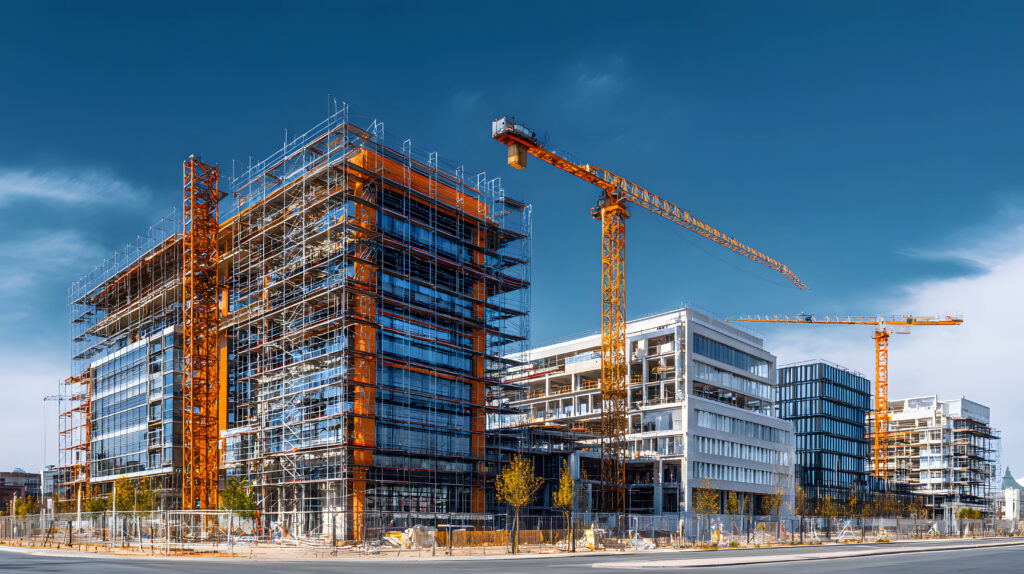
Building A Commercial Building In NJ
Finding a Location
In real estate, location plays a major part in the cost of the design. Land and posterior construction costs vary in price depending on position. Areas of high demand have advanced land prices for construction. The chosen position must allow for easy access by everyone who’ll use the structure, both guests and workers.
Some areas have strict zoning conditions for the type of construction permitted, and some include clauses with a moratorium on construction. These proscriptions may be endless, in cases of environmental preservation, or temporary.
Other types of moratoriums will help the commercial construction of certain structures to save the existing state of an area. For example, a megacity might pass a moratorium on lower multifamily casing structures, such as duplexes or townhomes, in a town area.
This measure may be designed to preserve the nature of the high-viscosity town area. In cases of temporary moratoriums, construction may continue if the builder pays the freight or forfeitures to the megacity, has an examination of the point, and gets authorization to proceed.
Setting a Budget
Setting a budget for your commercial building construction is extremely important. To avoid incorrect values in your budget, connect with construction directors to obtain accurate cost estimates for the design. A company that works in the area you want to make knows the current factors that impact costs in those areas, furnishing more realistic design estimates.
Choosing a General Contractor and Coordinating With Crew
When working with a construction director, you can leave much of the planning in their hands. They give a way for all parties working on the design to coordinate, openly communicate, and keep the design on the proposed commercial construction timeline.
Step 2: The Pre-Design Phase
Some way of the pre-design phase integration with the development and planning stage, because both involve outlining prospects and pretensions for the design. Some combine pre-design and planning into a single phase and use the design phase as the alternate stage in the commercial structure construction sequence.
The design will determine some pivotal rudiments that will be important for the rest of the commercial structure’s construction phases, such as
- Numbers, sizes, and purposes of the structure apartments.
- structure exposure to original roads and mileage connections.
- Accoutrements and outfit for construction and costs.
- Cost estimates.
- Timeline for outlining contracts.
Following the pre-design phase and establishment of the structure’s general conditions, you can acquire masterminds and outline the more specific information in the design phase.
Step 3: The Design Phase
A mechanical mastermind verifies plans for the internal structures of the structure, similar to the plumbing and HVAC system.
Structural masterminds make sure the plans are structurally sound, and electrical masterminds design the electrical force throughout the structure. Civil masterminds design connections to the original structure and parking areas. After this step, the major portions of the construction design can begin.
Step 4: The Pre-Construction Phase
Among the ways to construct a commercial structure, the pre-construction phase deals most heavily with paperwork. During this stage, you must gain the needed permits and insurance for your design.
You’ll also take seller flings during this step to ensure the procurement phase meets popular prospects. Incipiently, you should establish the field for the design’s point of work.
Step 5: The Procurement Phase
Frequently, a general contractor takes care of the procurement phase. Still, an expert construction operation ensures the general contractor duly communicates with others about the process. Open communication is essential to preventing problems caused by misconstructions or not knowing prospects.
Step 6: The Construction Phase
Fastening on medication during the original commercial structure construction can reduce unanticipated delays or design overruns.
A significant portion of the design will involve preparing the point for the structure. This point medication prevents unborn problems with the structure’s structural integrity and safety. Builders should avoid cutting corners during this original phase.
Site Preparation
The point medication phase of the factual construction turns the plot of land into a working job site for the coming many weeks. First, planning for the construction begins with a meeting to establish guidelines such as the point of access, where to store accouterments and outfit, which days and hours work can be done, and how the construction will maintain quality throughout the construction process.
Following the meeting, the medication can begin with the groundbreaking. Temporary work structures and storehouse installations need construction at this point. These spaces give locales for the operation to work from and give outfit, tools, and accoutrements a secure storage position.
Construction
Once prepared, the point is ready for the commercial structure construction process. First, the foundation is created with poured- out concrete. Next, the structure’s frame goes up. The framing includes the internal factors of the structure that give it structural support. Once framed, the structure needs its roof and siding.
Before the internal walls go over, the electrical systems, plumbing, and the HVAC system’s ductwork inside the walls will be installed.
Meanwhile, external work involves creating external walls, fitting windows if not formerly done, and placing surface doors. The work outside the structure creates the print that callers and neighbors will have of the structure. During this stage, the temporary structures and material storehouse installations need to be removed.
Step 7: The Post-Construction Phase
During the post-construction phase, the general contractor must walk with you through the structure. Throughout this trip, you’ll estimate the quality of the project. However, note them on a punch list if you or other inspectors find any problems or substantiation of wrong work.
Only after all the particulars on the punch list have been corrected can you admit an instrument of substantial completion from the mastermind. This instrument permits you to bring in temporary, movable particulars, such as cabinetwork and furniture. It also allows for a sanctioned structure examination to allow for residency.
Now, the commercial structure can safely accommodate people working outside, and the company using the point can begin working out of the structure. If you need commercial construction services, contact us.


