
Building a house from scratch is one of the biggest things you’ll ever do in your whole life. And one of the first questions almost every buyer asks is the same. How long is this actually going to take?
The honest answer is that a new home construction timeline in New Jersey is expected to be from 8 to 14 months. That is the case for most houses, but not for fully custom homes.
Your lot conditions, your municipality’s permitting pace, your material choices, your builder’s schedule, and yes, the weather, all push that number around. There are many other things that also matter, so nobody can give you an exact date.
Here’s a clear, phase-by-phase look at how new home builds actually unfold in New Jersey.
What to Expect When Building a New Home
Phase 1: Pre-Construction Planning (2 to 4 Months)
This is the part most buyers underestimate. Nothing is being built yet, so it can feel like nothing is happening. But the decisions made during pre-construction determine how smoothly the rest of the project runs.
Design comes first. Working with your builder and architect to finalize the floor plan, structural details, exterior materials, and interior selections takes time, especially if you’re going custom. Changing your mind about a window configuration or kitchen layout after this stage is locked in costs both money and weeks. Make your decisions here and stick to them.
After design comes permitting. This is where things get weird in New Jersey. Every township has its own zoning board and its own review process. Each with its own pace. Some municipalities turn around building permits in three to four weeks. Others take three to four months, especially if your project requires a variance. You are in trouble if the place falls within a coastal or flood zone, or sits in a historic district.
Phase 2: Site Preparation and Foundation (4 to 8 Weeks)
Once permits are approved, the physical work begins. Now the site is cleared and graded for the foundation. Trees will need removal, and old buildings must be demolished.
Foundation type also affects the timeline. Many homes in New Jersey include basements. If you have to deal with one, you will need excavation, foundation walls, waterproofing, and drainage before framing can start. Yikes.
Utility connections also begin during this stage. Builders coordinate with electric, gas, water, and sewer providers. Some properties use wells or septic systems instead of city utilities, which require more time and planning.
Phase 3: Framing (4 to 8 Weeks)
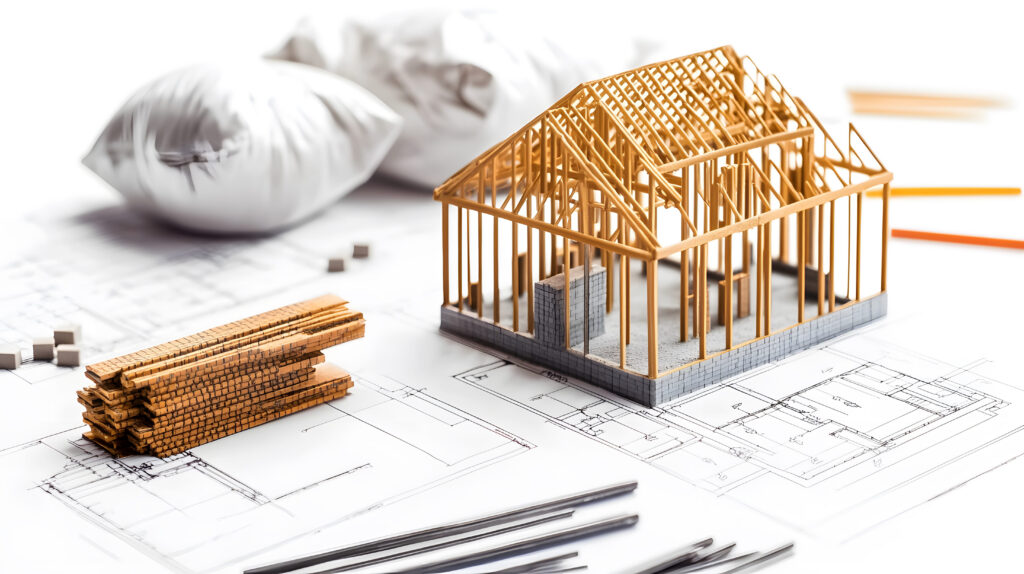
Framing is the stage when the house starts to look like something. The walls go up, and the roof begins to take shape. At this stage, you can see for yourself where each room will be and the imagine part is over.
The builder schedules a pre-drywall inspection before drywall installation. This is the best time to review the layout. Check everything, like outlet locations and light positions. Confirm that structural elements match the plan. Bring a copy of your floor plan during this walk. Changes are much easier now, but fixes after drywall cost much, much more.
Phase 4: Exterior Work and Rough-Ins (6 to 10 Weeks)
The exterior of the house is completed during this phase. This is where the roofing, siding, windows, and doors are installed. Once the exterior is closed, interior work begins. Electricians install wiring and plumbers run pipes through the walls. HVAC crews install ducts and equipment. Low-voltage systems like internet wiring and security lines are also installed during this stage.
Be prepared, as local building officials will inspect each system now. Electrical, plumbing, and mechanical work must pass their very strict inspection before the next stage begins. If something fails the inspection, the builder schedules a recheck. This can delay the project depending on the inspector’s schedule.
Phase 5: Insulation and Drywall (2 to 4 Weeks)
After the rough work passes inspection, insulation goes in. You need to control the temperature and energy use in your house. Common options include spray foam, blown insulation, and fiberglass batts. Energy code rules in New Jersey require inspection of insulation as well.
Drywall comes next. Crews hang the panels quickly, but the finishing process takes more time. Workers tape the seams, apply joint compound, and sand the surface. Some homes use smooth plaster finishes instead of standard texture. These finishes look cleaner but take longer to complete.
Phase 6: Interior and Exterior Finishes (8 to 14 Weeks)
This phase brings the home together. The materials you chose earlier are finally installed. Floors, cabinets, countertops, tile, trim, paint, fixtures, appliances, and hardware all go into place.
This stage can feel exciting, but it also brings delays if planning was incomplete. Two things usually affect the schedule. The first is product delivery. The second is coordination between trades.
Custom cabinets often take eight to sixteen weeks to arrive after ordering. Imported tile can take just as long. If selections were finalized early, your builder likely ordered them months ago. If you are still choosing countertops when framing ends, the schedule will stretch.
The lesson is simple. Finalize all design choices early. Ask your builder for a selection schedule and complete it before each deadline.
Phase 7: Final Inspections, Punch List, and Certificate of Occupancy (2 to 4 Weeks)
The final inspection confirms that the completed home meets all building codes. Anything that needs correction goes on a punch list for the builder to address. Then you do your own walkthrough and add any items you want resolved before closing.
The Certificate of Occupancy(CO) is the legal document that lets you move in. You don’t have it until inspections pass and all required items are resolved. Do not give notice on your apartment or plan your moving truck based on an estimated CO date. Plan it around an actual confirmed date.
Building in New Jersey Takes Planning, But It’s Worth It
The timeline isn’t short. That’s the truth. But buyers who go in with realistic expectations, a builder they trust, and all their decisions made early tend to have far smoother experiences than those who underestimate the process.
Every phase connects to the next. A delay in permitting pushes site prep, and a late material selection delays the finish work. Understanding how the phases stack means you can expect where things can go wrong and handle them instead of being surprised by them.
New Jersey’s building environment has its own specific rules and rhythms. Working with a builder who knows them makes a real difference.
Contact DeGeorge Development LLC today to talk through your project and get a realistic timeline built around your specific lot, design, and goals.


